
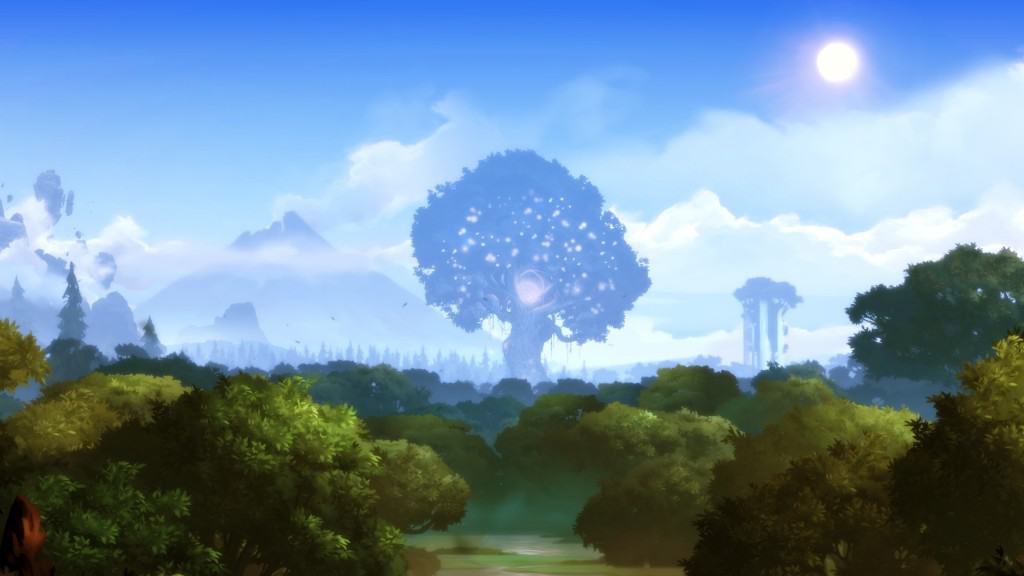
Originally enchanted by the beautiful concept art, I purchased Ori and the Blind Forest during Steams summer sale. The game quickly became forgotten among the myriad of other titles I purchased during the sale. In November I finally picked the game up, starting it for the first time. I had expected Ori to be like most other platformers today. You run, you jump, and you escape from enemies while following a minimalistic, vague, or cryptic story with the whole experience lasting two hours at most. Nearly 15 hours and 750 deaths later, the experience I had playing Ori blew away all of my expectations on what a platformer should look like. While many platformers claim to provide an atmospheric experience, Ori surpasses them all due to the developers methods of storytelling.
Oddysee Chat Rules
November 18, 2015
Awesome Brews #6 – Christmas Special
December 5, 2015
One of the very first things a person will notice about Ori while looking at the Steam page or starting the game up is the absolutely gorgeous artwork and soundtrack for the game. Despite being a long time believer that graphics are not an indicator of how enjoyable a game is to play, I found the art and music of Ori still play a crucial role in the games experience. The lore of Ori’s world is rarely given to you through text or dialogue. Instead, a picture is painted before you, adding a unique atmosphere to the game. Whether you’re climbing the giant Ginso tree, delving deep into Gumos cave, or braving the fires of Mount Horu, every area has been masterfully crafted with care and dedication. In addition, Ori has one of the best soundtracks I’ve seen in not only a platformer, but video games in general. Being a casual game, the music of Ori must complete two tasks. The first is matching the world in which Ori lives in. The second is seamlessly making the player feel at ease and yet on edge during the faster sequences. Ori manages to pull both of these off with flying colors. However, while the art and music add a lot to the game, it brings nothing new to the platforming table.
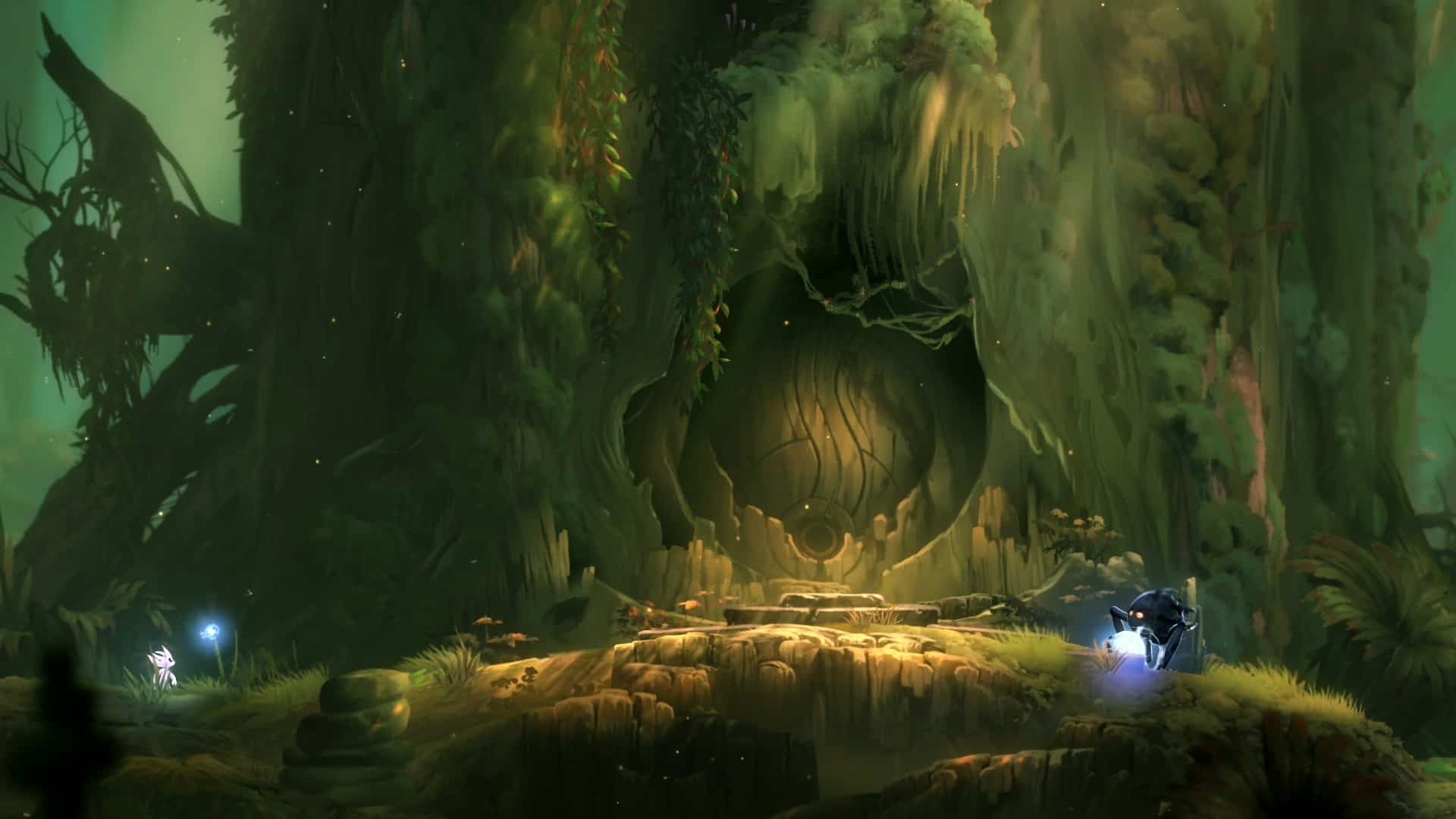
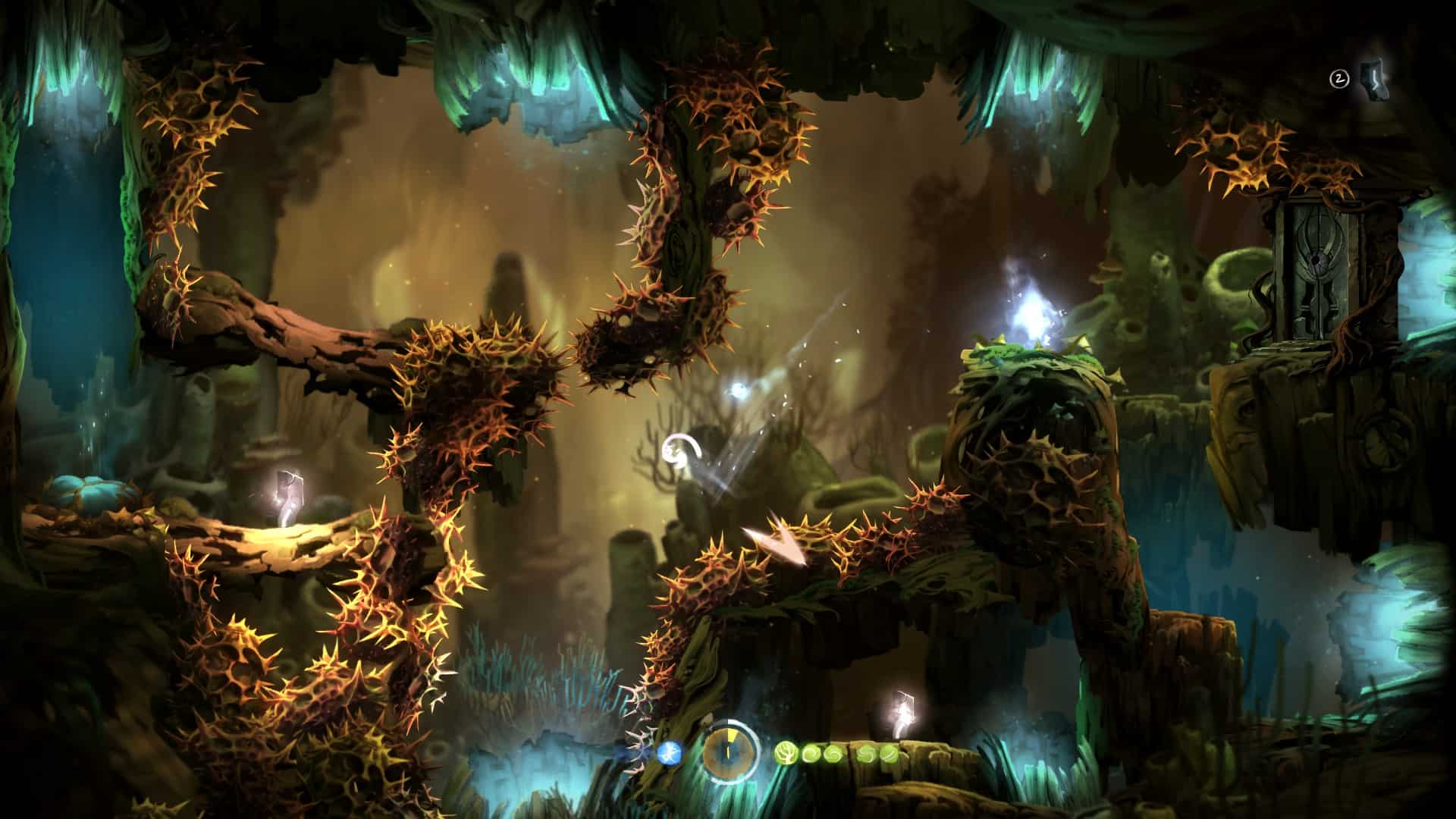
The gameplay mechanics, while fun and intuitive, also add nothing new to the game when compared to other platformers. You start out with very few abilities, you’re able to run, jump, do very small attacks and that’s the end of it. As you play through Ori’s story, you gain various special abilities such as a wall bounce, double jump, and ground pound. Smaller perks can be purchased with points gained as you level which offer three different types of improvements: combat, utilities (mostly map improvements), and what appears to be miscellaneous. The level designs rarely offer any true challenge with the exceptions being three different escape sequences which are where the majority of my deaths came from.
The biggest game changer Ori has to offer is the mechanics of storytelling. Your adventure follows a young creature named Ori who seeks to restore his home after a great tragedy has befallen both his home and the forest he lives in. When compared to many of the platformers today and especially of the past, Ori’s story is not only longer but also has significantly more detail. The majority of the story is explained either through a being who takes the form of a ball of light named Shein who follows and fights for Ori on his quest, or through a sprawling text which is then voiced over in an indescribable and most likely made up language. However, at times there are a few cut scenes. These cut scenes take a different approach than the ones in most games. Rather than stopping the player and interrupting their game by making them watch, Ori’s cut scenes force the player to play through them. I found this method to be highly effective as it immerses the player back into the character rather than an outsider looking through a window. When Ori is feeling happy and at peace, so is the player. When Ori is feeling sadness and misery, the player struggles to force Ori to crawl forwards.
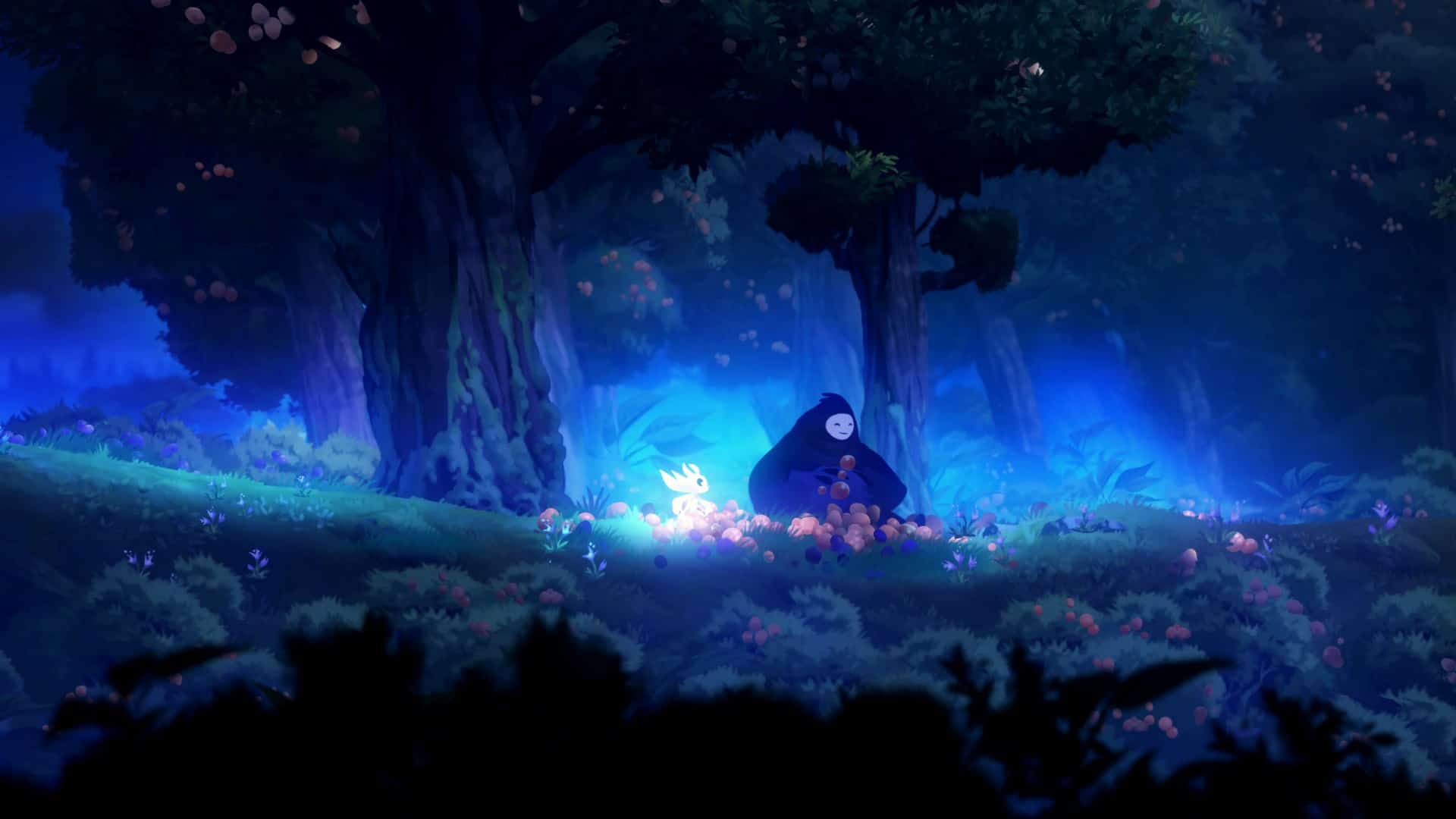

Everything added together, Ori is by far the best platformer I’ve played this year. Never have I had a platformer emotionally affect me the way Ori does. The gameplay, art, music, and length are all added bonuses to the game. If you’re a fan of platformers or other casual games, Ori and the Blind Forest is not one you can afford to miss.